
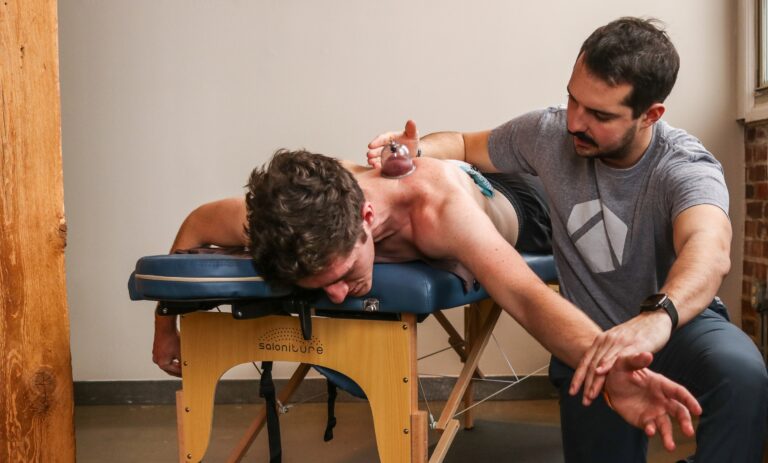
Feeling sore, tight, or held back by lingering aches after intense training or outdoor adventures? Recovery is just as important as the effort you put into your performance. Sports recovery massage offers a powerful way to ease muscle tension, improve flexibility, and support your body’s natural healing process.
Coy Coker of Buffalo Performance Rehab shows up ready to get to work in the comfort of your own home. A Colorado native, he spent the last decade working hands-on with the professional athletes within the Colorado Rockies Baseball Club. His goal is to get you back out there as quickly and safely as possible.

Whether you’re managing chronic discomfort or simply trying to stay in peak condition, a focused recovery session can make all the difference. These techniques don’t just help you feel better—they can enhance circulation, reduce stress, and prepare your body for the demands ahead. Are you giving your recovery the attention it deserves?
In Denver, where active lifestyles thrive, taking care of your body is essential for staying strong and injury-free. A sports recovery massage isn’t just about relaxation—it’s about optimizing how you move, perform, and recover. Ready to prioritize your recovery and feel your best?
Understanding Sports Recovery Massage
Sports recovery massage helps your body heal and function better after physical activity. It focuses on supporting your recovery while enhancing your overall performance.
What Is Sports Recovery Massage?
Sports recovery massage is a technique that promotes physical recovery through targeted treatments. Skilled professionals use methods like soft tissue work, stretching, and pressure applications to release muscle tightness. These sessions improve blood flow, reduce soreness, and support flexibility. They’re ideal for anyone wanting to recover from demanding workouts or prevent potential injuries.
Importance Of Recovery For Athletes
Recovery is essential for athletes aiming to perform their best. Overworking your muscles without proper care can lead to fatigue, decreased performance, and injuries. Recovery-focused methods, such as massage therapy, alleviate tension, restore muscle function, and reduce stress. How do you currently support your body’s recovery needs? Taking time to invest in proper care can help you feel stronger, healthier, and more prepared for future activities.
Benefits Of Denver Sports Recovery Massage
Experience improved recovery and better performance with sports recovery massage. This proven method can address physical exhaustion and stress while helping you feel rejuvenated and ready for your next challenge.
Physical Benefits
Sports recovery massage enhances circulation, promoting faster muscle recovery after workouts or injuries. Increasing blood flow helps deliver oxygen and nutrients to tired muscles. Techniques like soft tissue work, stretching, and pressure applications aid in reducing soreness and improving flexibility.
Relieve tension effectively by focusing on muscle tightness caused by intense physical activity. Massages can help improve your range of motion, making daily movements and athletic performance more efficient.
Prevent injuries through regular sessions that address muscle imbalances and overuse. Maintaining optimal muscle health supports durability and reduces the risk of re-injury. How often do you prioritize your body’s recovery needs?
Mental And Emotional Advantages
Alleviate stress and mental fatigue with a recovery massage. The calming effect of these sessions creates a sense of relaxation, enabling you to tackle physical and emotional demands more confidently.
Boost focus and motivation by reducing tension caused by physical discomfort. Feeling at your best mentally supports your ability to stay committed to fitness goals.
Cultivate better stress management strategies by incorporating massage into your routine. Enhanced relaxation leads to improved recovery and a more balanced approach to physical activities. Have you considered how investing in recovery could benefit your mental well-being?
Techniques Used In Sports Recovery Massage
Sports recovery massage uses specialized methods to support healing, reduce soreness, and improve your performance. These techniques address muscle tightness, circulation, and flexibility to help you recover effectively.
Deep Tissue Massage
Deep tissue massage targets the deeper layers of muscles and connective tissues. By applying firm pressure and slow strokes, it helps release chronic tension and break down tight muscle knots. This technique can alleviate discomfort caused by intense physical activity and promote better range of motion. Do you often feel stiffness or deep muscle soreness after workouts? This method might help relieve that.
Myofascial Release
Myofascial release focuses on reducing tightness in the fascia, the connective tissue surrounding your muscles. It involves gentle pressure and stretching to loosen restricted areas, which can relieve pain and restore mobility. For example, if you experience stiffness in your shoulders or hamstrings, this technique can improve flexibility and reduce tension.
Trigger Point Therapy
Trigger point therapy identifies and applies pressure to sensitive muscle spots, commonly called “knots.” These points can cause pain in other parts of the body. By targeting these areas, this therapy reduces pain, improves muscle function, and enhances overall recovery. Have you noticed localized pain or discomfort in certain muscles? This focused technique could provide relief.
Choosing The Right Denver Sports Recovery Massage Provider
Selecting the right provider for your sports recovery massage can directly influence your recovery and performance. Aligning your choice with your specific needs helps maximize the benefits of these sessions.
Factors To Consider
Assess qualifications and certifications. A certified sports recovery therapist has the necessary training to perform advanced techniques safely and effectively. This ensures sessions target recovery needs accurately.
Evaluate experience. Consider therapists who specialize in working with physically active individuals or athletes. Their experience in addressing sports-related muscle tension or injuries enhances recovery outcomes.
Review session options. Look into the specific techniques offered, such as deep tissue massage, myofascial release, or trigger point therapy. Identifying the methods that address your concerns aids quicker recovery.
Check location and scheduling. Convenience matters when booking regular sessions. Look for providers offering accessible locations or flexible scheduling to fit your routine seamlessly.
Weigh service duration and costs. Most sports recovery massage sessions last 60 minutes, starting at $100. Choose a provider whose pricing and session length correspond with your budget and recovery needs.
Questions To Ask Your Therapist
What techniques do you recommend for recovery? Asking this helps you gauge whether they understand and can address your specific recovery goals.
How do you handle tightness or recurring soreness? Their response can reveal how they approach chronic issues and their ability to tailor sessions to persistent needs.
Do you have experience working with athletes? This is crucial if your activities involve high physical exertion and specific recovery demands.
Can you incorporate mobility or stretching exercises? Therapists offering additional components like guided mobility work can enhance your overall recovery.
What is your approach toward preventing injuries? Their injury prevention strategies could indicate a comprehensive understanding of sports recovery massage.
By asking these questions, you make an informed decision and feel confident in your choice.
When To Schedule A Sports Recovery Massage
Sports recovery massage can be a powerful tool for improving performance and preventing injuries. Understanding when to schedule these massages helps you get maximum benefit from your recovery efforts.
Pre-Event Vs Post-Event Massage
Scheduling a massage before or after an event depends on your goals. Pre-event massages focus on preparing your muscles for activity and involve lighter techniques that improve circulation and flexibility. These sessions are best done 1-2 days prior to your event to avoid any soreness during performance.
Post-event massages target recovery by reducing muscle tightness, easing soreness, and enhancing relaxation after intense physical exertion. Scheduling within 24-48 hours after your activity promotes faster recovery and addresses any immediate muscle discomfort. Are you looking to prepare your body or recover more efficiently? Knowing the purpose of your session can guide your decision.
Frequency For Optimal Results
The frequency of sports recovery massages varies based on your activity level and recovery needs. Weekly sessions work well for athletes with intense training schedules, while bi-weekly or monthly appointments are better suited for those with moderate physical activity. If you’re recovering from an injury, more frequent sessions may be necessary initially, gradually tapering as recovery progresses.
Consistent sessions prevent chronic tension, maintain optimal muscle health, and reduce injury risks. Have you considered how often your training demands recovery support? Adjusting your massage schedule ensures your body stays in top condition.
Conclusion
Prioritizing your recovery is essential to staying active and performing at your best. Sports recovery massage offers a powerful way to care for your body, helping you bounce back stronger and reduce the risk of injuries. Whether you’re an athlete or simply enjoy an active lifestyle, investing in regular sessions can make a noticeable difference in how you feel and move.
By choosing the right Denver sports recovery massage provider and scheduling sessions that suit your needs, you’re setting yourself up for long-term success. Don’t overlook the value of recovery—it’s the key to maintaining your physical and mental edge.
Frequently Asked Questions
What is a sports recovery massage?
A sports recovery massage is a targeted therapeutic technique designed to alleviate muscle tension, improve flexibility, and promote the body’s healing process. It uses methods like soft tissue manipulation, stretching, and pressure application to enhance blood flow, reduce soreness, and support recovery after physical activity.
What are the main benefits of a sports recovery massage?
Sports recovery massages help improve circulation, reduce muscle tension, enhance flexibility, and support faster recovery. They also prevent injuries, reduce stress, and improve mental focus, making them essential for maintaining peak physical and emotional performance.
How often should I get a sports recovery massage?
The frequency depends on your activity level. For intense training schedules, weekly sessions are ideal. For moderate exercise, bi-weekly or monthly massages can suffice. Consistency is key to preventing muscle tension, maintaining optimal health, and minimizing injury risks.
When is the best time to schedule a sports recovery massage?
Pre-event massages should be scheduled 1-2 days prior to an activity to prepare muscles, while post-event massages are best done within 24-48 hours after the activity to reduce soreness and aid recovery.
What techniques are used in sports recovery massages?
Common techniques include deep tissue massage (targets deeper muscle layers), myofascial release (loosens connective tissue), and trigger point therapy (relieves muscle knots). Each technique is tailored to improve recovery and enhance mobility.
Can sports recovery massages prevent injuries?
Yes, sports recovery massages help prevent injuries by easing muscle tension, improving flexibility, and promoting proper blood flow. Regular sessions reduce the risk of chronic tension or strain-related injuries, keeping muscles healthy and balanced.
Are sports recovery massages only for athletes?
No, sports recovery massages benefit anyone engaging in physical activity, whether you’re a professional athlete, a weekend warrior, or someone seeking to enhance mobility and alleviate muscle soreness.
What should I look for in a sports recovery massage therapist in Denver?
Look for therapists with necessary certifications, experience in working with athletes, and expertise in recovery techniques. Check reviews, session options, costs, and location to ensure they align with your needs.
How do I know if sports recovery massage is right for me?
If you experience muscle soreness, stiffness, reduced flexibility, or fatigue from workouts, sports recovery massage can help. It’s ideal for enhancing recovery, preventing injuries, and improving overall performance and well-being.
Is sports recovery massage only for post-workout recovery?
No, it can be used both pre-workout to prepare muscles for activity and post-workout to aid recovery. Pre-event massages boost flexibility while post-event sessions address soreness and speed up muscle healing.