
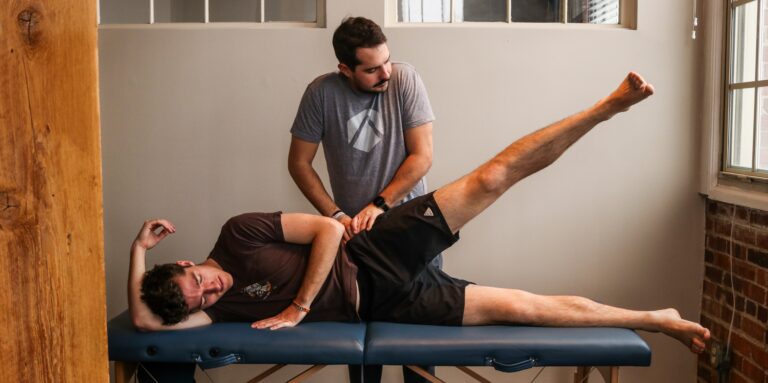
Are you pushing your body to its limits and feeling the strain? Sports massage therapy offers a powerful way to address soreness, prevent injuries, and keep you performing at your best. Whether you’re recovering from intense training or looking to improve mobility, this approach can help you feel stronger and more balanced.
In Denver, where active lifestyles thrive, sports massage therapy is more than just relaxation—it’s a strategic tool for athletes like you. It focuses on reducing muscle tension, improving flexibility, and supporting recovery so you can stay ahead of your goals. How would it feel to move without discomfort and train with greater efficiency?
Your body works hard for you, and it deserves care that matches your dedication. Sports massage therapy is an investment in your performance and well-being. Ready to explore how it can elevate your active lifestyle? Let’s dive into the benefits and what you can expect.
What Is Denver Sports Massage Therapy?
Denver sports massage therapy focuses on promoting recovery, relieving pain, and improving athletic performance. This specialized approach targets muscles and connective tissues impacted by intense physical activity. By addressing strain and stiffness, it helps support your body’s full functionality.
Sessions often combine techniques like deep tissue massage, myofascial release, and stretching. These methods work to loosen tight muscles, improve circulation, and reduce inflammation. It’s particularly beneficial for athletes recovering from injuries or managing chronic discomfort.
Whether you’re preparing for an event or recovering post-competition, sports massage therapy adapts to your needs. It enhances flexibility, alleviates soreness, and helps prevent overuse injuries. Are you looking for a way to move more efficiently and recover faster?
This therapy takes a proactive approach to maintaining your physical performance. By reducing muscle tension, boosting blood flow, and promoting relaxation, it helps you return to peak condition.
Benefits Of Sports Massage Therapy
Sports massage therapy provides extensive benefits for athletic individuals aiming to recover effectively, reduce pain, and boost their performance. Whether you’re managing an injury or striving to maintain peak physical condition, this focused therapy addresses essential aspects of your muscular and connective tissue health.
Improved Athletic Performance
Sports massage helps optimize your physical capability by releasing muscle tension and increasing flexibility. These methods promote better range of motion, allowing you to move more efficiently during intense activity. For athletes, improved blood flow to specific muscles contributes to better oxygen delivery and faster removal of toxins, resulting in enhanced performance over time. Have you noticed discomfort or restricted mobility during workouts? This therapy might help you regain your edge.
Faster Recovery From Injuries
Targeted massage supports your body’s healing process by reducing inflammation and improving circulation around injured areas. Techniques like myofascial release and deep tissue massage alleviate discomfort stemming from acute or chronic injuries. By focusing on these problem zones, this therapy speeds up recovery, helping you return to training or competition sooner. Are you dealing with pain or stiffness post-injury? Incorporating regular sessions could facilitate your path to full strength.
Prevention Of Future Injuries
By addressing muscle imbalances and loosening tight tissues, sports massage significantly lowers your risk of injury. Consistent treatment strengthens stabilizer muscles and enhances proprioception, keeping your body balanced and resilient under physical stress. Do you want to minimize the time spent sidelined due to injury? Preventive care through massage could be a solution to support your athletic goals.
Techniques Used In Denver Sports Massage Therapy
Denver sports massage therapy incorporates various methods to support recovery, relieve pain, and improve performance. Each technique has specific benefits, catering to the unique needs of active individuals. Which of these approaches resonates most with your recovery goals?
Deep Tissue Massage
Deep tissue massage focuses on releasing tension in the deeper layers of muscles and connective tissue. It’s effective for addressing chronic pain, muscle tightness, and injury recovery. The therapist applies firm pressure using slow strokes, targeting areas of tightness or overuse. This method not only helps break down adhesions but also improves blood flow, fostering faster recovery.
Trigger Point Therapy
Trigger point therapy targets specific “knots” or areas of tight muscle fibers that cause pain and limited mobility. By applying isolated pressure to these points, the therapist can release tension and reduce discomfort. Athletes experiencing pain radiating to other regions often see improvement through this precise technique. Have you noticed localized soreness that affects your performance?
Myofascial Release
Myofascial release addresses restrictions within the fascia, the connective tissue surrounding your muscles and organs. By gently stretching and applying pressure across these tissues, the technique restores flexibility and reduces stiffness. If you’ve ever felt a tightness that limits your range of motion, this method might alleviate the underlying restriction.
Each approach aims to support recovery while optimizing physical performance. Which of these techniques would best complement your routine?
Choosing The Right Sports Massage Therapist In Denver
Selecting a skilled sports massage therapist is an important step in optimizing your recovery and performance. In Denver, a thorough approach ensures you receive effective care for your athletic needs.
Qualifications To Look For
Focus on the therapist’s credentials and specialized training. Licensed massage therapists with certifications in sports massage possess the expertise to address the demands of active individuals. Check for experience working with athletes, particularly those involved in similar activities to yours, as this indicates familiarity with specific performance goals and recovery challenges.
Pay attention to their methods. Therapists skilled in techniques like deep tissue massage, trigger point therapy, or myofascial release can effectively treat tightness, pain, and mobility issues. If they offer tailored assessments or screenings, it demonstrates their ability to adapt treatment plans to your body’s requirements.
Questions To Ask Before Booking
Clarify their experience with your sport or activity. Ask how they’d approach issues like fatigue, muscle imbalances, or past injuries. This conversation helps identify if their methods align with your health and performance objectives.
Discuss scheduling and treatment frequency. If recovering from intense training or preparing for an event, ask how often sessions are recommended. This helps plan recovery without disrupting your regimen.
Inquire about their approach to pain management. Do they combine massage with other recovery strategies like stretching or breathing techniques? Understanding their methods ensures you’re on the same page about treatment expectations.
By analyzing these factors, you can confidently select a therapist with the skills to meet your athletic recovery and performance needs.
How To Incorporate Massage Therapy Into Your Training Routine
Adding massage therapy to your training plan helps improve recovery, reduce pain, and boost overall performance. It benefits athletes of all disciplines, whether preparing for an event or recovering afterward.
Frequency Of Sessions
Regular sessions help maximize the benefits of massage therapy. Athletes typically schedule one to two sessions per week based on their training volume and intensity. Higher-intensity training often leads to greater muscle fatigue, requiring more frequent massages to aid recovery.
Think about your current schedule—how often can you realistically fit in a session? Start with bi-weekly sessions if you’re unsure, then adjust based on your recovery needs and how your body responds. Consistency over time is key for lasting benefits.
Pre-Event Vs Post-Event Therapy
For pre-event therapy, focus on techniques that enhance flexibility and reduce muscle tightness. Pre-event massages often involve lighter pressure combined with dynamic stretches to improve circulation and prepare muscles for the strain of competition.
Post-event therapy emphasizes recovery, helping reduce soreness and inflammation. Techniques here may include deeper pressure and guided stretching. These massages aid in flushing out lactic acid and repairing muscle tissue. Which session would best support your upcoming goals?
Tailor your approach based on the timing of your competitions and recovery windows. Pre-event massages are typically done 24-48 hours before activity, while post-event therapy works best immediately after or within 48 hours following exertion.
Conclusion
Denver sports massage therapy offers a powerful way to support your active lifestyle and achieve your performance goals. By addressing muscle tension, improving flexibility, and promoting faster recovery, it provides benefits that go beyond relaxation. Whether you’re preparing for an event or recovering from intense training, tailored techniques can help you stay at the top of your game.
Choosing the right therapist and incorporating regular sessions into your routine ensures you get the most out of this investment in your well-being. With the right approach, you can unlock your full potential and enjoy a stronger, more resilient body.
Frequently Asked Questions
What is sports massage therapy, and how is it different from regular massage?
Sports massage therapy is a specialized approach designed to aid athletes in recovery, prevent injuries, and enhance performance. Unlike regular massages that focus on relaxation, sports massage targets specific muscle groups and connective tissues affected by physical activity. Techniques like deep tissue massage and myofascial release are commonly used to alleviate soreness, improve flexibility, and promote faster recovery.
How can sports massage benefit athletes in Denver?
Sports massage offers numerous benefits for Denver athletes, including reduced muscle tension, improved flexibility, faster recovery from injuries, and injury prevention. By increasing circulation and addressing tight muscles, it supports peak performance, making it an essential tool for active individuals.
What techniques are used in sports massage therapy?
Techniques often used in sports massage therapy include deep tissue massage, myofascial release, trigger point therapy, and stretching. Each method targets muscle tightness, reduces inflammation, and enhances flexibility, contributing to better overall performance and recovery.
How often should I schedule a sports massage as an athlete?
The frequency depends on your training intensity and goals. Athletes typically benefit from one to two sessions per week during intense training periods. Consistency is key to improving recovery, reducing soreness, and preventing future injuries.
Can sports massage prevent injuries?
Yes, regular sports massage can prevent injuries by addressing muscle imbalances, reducing tension, and improving flexibility. It strengthens the body’s resilience to physical stress, lowering the risk of strains and overuse injuries.
What factors should I consider when choosing a sports massage therapist in Denver?
Choose a therapist with proper credentials, experience with athletes, and specialized training in sports massage techniques. Ask about their approach to pain management and how their treatment can align with your health and performance goals.
Is sports massage only for athletes?
No, sports massage is also beneficial for non-athletes dealing with chronic pain, muscle tension, or those recovering from physical activity. It’s a versatile therapy that improves mobility and promotes overall well-being.
How does sports massage enhance flexibility and performance?
By relieving muscle tension and improving blood flow, sports massage increases range of motion and flexibility. This enhances overall efficiency during training and competitions, helping athletes perform at their best.
Should I get a pre-event or post-event massage?
Pre-event massages focus on preparing your muscles by enhancing flexibility and reducing tightness, while post-event massages prioritize recovery and muscle repair. Choose based on your event timing and recovery needs.
Can sports massage aid in faster recovery after injuries?
Yes, sports massage reduces inflammation, improves circulation, and relieves pain, all of which support faster recovery from injuries. It also helps restore mobility and functionality after exertion or strain.