
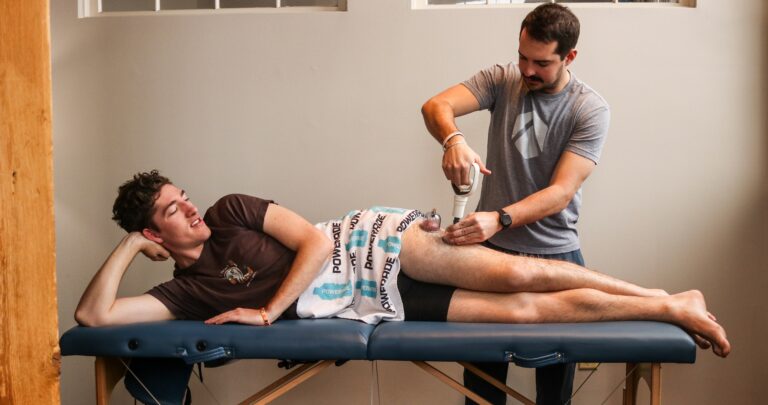
Pushing your body to its limits in sports and physical activities is rewarding, but it often comes with its share of aches, pains, and fatigue. Want to recover faster, prevent injuries, or simply feel stronger and more agile after intense training or competition? The right recovery methods can make all the difference in helping you maintain peak performance.
Coy Coker of Buffalo Performance Rehab shows up ready to get to work in the comfort of your own home. A Colorado native, he spent the last decade working hands-on with the professional athletes within the Colorado Rockies Baseball Club. His goal is to get you back out there as quickly and safely as possible.

Sports recovery isn’t just about resting—it’s about actively supporting your body’s healing process. From improving mobility to managing pain and building resilience, recovery strategies are essential for athletes at every level. Whether you’re dealing with a recent injury or looking to elevate your performance, finding the right approach can help you stay active and achieve your goals.
In Denver, where outdoor adventures and athletic pursuits are a way of life, prioritizing recovery is key. What steps are you taking to keep your body strong, flexible, and ready for the next challenge?
Importance Of Sports Recovery
Sports recovery plays a significant role in maintaining athletic performance and overall well-being. Effective recovery supports muscle repair, reduces the risk of injuries, and enhances mobility, allowing you to stay active and strong throughout your training or season. It isn’t just about resting; it’s about actively helping your body heal and rebuild.
When you give your body the right care after intense activities, you’re better prepared for the physical demands ahead. Recovery methods like mobility sessions and strength reconditioning strengthen your body’s resilience while addressing lingering discomfort or tightness. Have you considered whether you’re giving yourself enough time to recover after training?
For athletes dealing with chronic or acute injuries, focused recovery sessions can relieve pain and restore mobility. These strategies are particularly valuable for reducing stress on tissues and improving posture, which contributes to better performance. Are you noticing recurring aches that slow you down during your activities?
Proven techniques like breathing exercises, structured recovery programs, and targeted bodywork can also help manage stress levels and prevent future setbacks. Whether you’re preparing for the next competition or simply staying active, prioritizing recovery can bring long-term benefits. How could incorporating recovery into your routine make a difference in how you perform?
Benefits Of Sports Recovery In Denver
In Denver’s high-altitude environment, sports recovery can make a significant difference in how you perform and feel. Tapping into structured recovery methods offers several advantages for athletes aiming to stay active and resilient.
Improved Performance
Active recovery practices contribute to better athletic output. Techniques such as mobility sessions and strength reconditioning target your body’s specific needs, helping you move more efficiently and with less restriction. By prioritizing recovery, you can train harder and smarter. Have you noticed how small discomforts impact your overall performance? Addressing these early enables you to focus on progress rather than pain.
Reduced Risk Of Injuries
Preventing injuries is essential for long-term success. Recovery programs, like athletic movement screenings or balance training, identify areas of weakness and help strengthen them. Stabilizing smaller supporting muscles reduces strain on major muscle groups, lowering the chance of overuse injuries. What steps are you taking to stay strong and durable throughout your season?
Faster Recovery Time
Engaging in recovery reduces the time it takes for your body to bounce back. Approaches like guided breathing exercises and pain management therapies speed muscle repair, enabling quicker return to activity. Stress reduction through proven techniques ensures you feel refreshed both physically and mentally. Don’t you feel more prepared when your recovery allows you to train consistently without interruptions?
Popular Sports Recovery Therapies In Denver
Sports recovery options in Denver cater to athletes of all levels, helping you recover faster, reduce risk of injuries, and maintain peak performance. Incorporating these therapies into your routine can provide the support needed to improve your overall recovery and physical health.
Massage Therapy
Massage therapy helps alleviate muscle tension, improve circulation, and promote relaxation. Techniques like deep tissue massage target sore areas to reduce discomfort and improve flexibility. Other methods, such as sports-specific massages, focus on injury prevention and muscle recovery after intense physical activity. How often do you include massage sessions in your recovery plan?
Cryotherapy
Cryotherapy exposes your body to extremely low temperatures for short periods, reducing inflammation and accelerating muscle repair. This method has grown in popularity due to its effectiveness in managing soreness and enhancing recovery times. It’s particularly beneficial after high-intensity training or competitions. Have you noticed how cold therapy impacts your recovery progression?
Physical Therapy
Physical therapy helps address injuries, improve mobility, and restore strength. Recovery-focused sessions may include guided exercises, mobility work, and movement re-education, accommodating both acute injuries and chronic issues. Experienced therapists can also develop injury-prevention strategies, keeping you in optimal condition throughout your athletic pursuits. Could targeted therapy interventions make a difference for your recovery?
Compression Therapy
Compression therapy involves using specialized garments or devices to apply pressure to specific areas. This process encourages better blood flow, reduces swelling, and supports faster muscle recovery. It’s often combined with other recovery methods to maximize results. Have you explored how compression tools might aid in your muscle recovery after strenuous activities?
Finding The Right Sports Recovery Center In Denver
Choosing the right sports recovery center can transform your athletic performance and overall well-being. A center that aligns with your needs can help you recover from injuries, reduce soreness, and maximize your potential.
Factors To Consider
Evaluate the services offered. Look for options like massage therapy to relieve tension, mobility sessions to improve movement, and strength conditioning for injury prevention. These services cater to different recovery needs and fitness goals.
Assess the credentials of the trainers. Certified professionals with experience in sports recovery provide the care and expertise required to target specific concerns effectively.
Consider flexibility in session formats. Some centers offer in-person, home visit, or virtual options, making recovery accessible regardless of your schedule.
Examine session pricing and duration. For example, recovery sessions in Denver often start at $100 for 60 minutes. This transparency allows you to budget and plan accordingly.
Questions To Ask
What services would best address your current challenges? Determine whether you’re seeking relief from chronic pain, enhanced mobility, or improved strength and resilience.
Do the trainers specialize in injury recovery or athletic performance? Working with someone experienced in your focus area can make the recovery journey more effective.
Are session schedules adaptable to your lifestyle? Balancing recovery with daily commitments can help support consistency, which is crucial for long-term results.
How does the center measure progress in recovery? Understanding how improvements are tracked gives insight into the effectiveness of the program.
What recovery techniques do they recommend, and why? Asking about methods like breathing exercises or specific drills can help you learn how they’ll address your unique needs.
Tips For Maximizing Sports Recovery
Effective sports recovery starts with small yet impactful habits. These practices help you rebuild strength, alleviate soreness, and maintain peak performance. Which of these strategies could you integrate into your routine?
Maintaining Proper Nutrition
Nutrition is a vital component of recovery. Consuming a balanced mix of proteins, carbohydrates, and healthy fats supports muscle repair and replenishes energy stores. Include nutrient-rich foods such as lean meats, whole grains, fruits, and vegetables in your meals. After intense activity, prioritizing protein-rich snacks like yogurt or a smoothie can aid tissue repair. Are your meals supporting your training and recovery goals?
Staying Hydrated
Hydration plays a cornerstone role in recovery. Water regulates body temperature, aids circulation, and flushes out toxins post-workout. Drink water consistently throughout the day, and consider adding electrolytes if you’ve been sweating heavily. For example, sports recovery drinks with sodium or potassium can prevent cramping and improve muscle function. Could increasing your hydration levels enhance your performance?
Prioritizing Rest And Sleep
Quality rest boosts recovery by giving your body time to heal. Sleep, in particular, aids muscle restoration, improves mood, and optimizes energy levels. Aim for 7-9 hours per night, creating a comfortable sleep routine with minimal distractions. If full rest isn’t feasible, short afternoon naps can help reduce fatigue. Are you giving your body enough downtime to recharge?
Conclusion
Prioritizing sports recovery is essential for achieving your athletic goals and maintaining long-term health. By embracing effective recovery methods and incorporating tailored therapies, you can enhance your performance, reduce the risk of injuries, and stay prepared for every challenge.
Denver’s active lifestyle and unique environment make it even more important to focus on recovery strategies that suit your needs. Whether you’re an elite athlete or just starting out, investing in proper recovery ensures you can train smarter, perform better, and feel stronger every day.
Frequently Asked Questions
What is sports recovery, and why is it important?
Sports recovery involves techniques and practices that help athletes recover from physical exertion. It is essential because it supports muscle repair, reduces fatigue, prevents injuries, improves mobility, and helps maintain peak performance.
Is recovery necessary for all athletes or just professionals?
Recovery is crucial for athletes of all levels. Whether you’re a professional or a recreational athlete, effective recovery helps improve performance, reduce pain, and build resilience.
What are some effective sports recovery methods?
Popular recovery methods include massage therapy, cryotherapy, physical therapy, compression therapy, mobility sessions, breathing exercises, and structured recovery programs.
How does Denver’s high-altitude environment affect sports recovery?
Denver’s high altitude can increase fatigue and slow recovery. Incorporating targeted recovery techniques helps athletes adapt, improve performance, and reduce injury risks in this environment.
How can I choose the right sports recovery center in Denver?
Look for centers offering diverse services, qualified trainers, flexible sessions, and transparent pricing. Ask about tailored recovery plans and how they measure progress.
How does proper nutrition enhance sports recovery?
A balanced diet with proteins, carbs, and healthy fats supports muscle repair and replenishes energy. Staying hydrated and incorporating electrolytes also aids recovery after intense activity.
Why is sleep important for sports recovery?
Quality sleep allows the body to heal and restore energy levels. Resting adequately helps muscles recover faster and boosts overall athletic performance.
Can sports recovery help with chronic or acute injuries?
Yes, focused recovery sessions and therapies like physical therapy can relieve pain, restore mobility, and improve resilience for both chronic and acute injuries.
What are the benefits of cryotherapy in sports recovery?
Cryotherapy reduces inflammation, accelerates muscle repair, and alleviates soreness, making it a popular choice for athletes seeking faster recovery.
How can breathing exercises improve recovery?
Breathing exercises help manage stress, improve circulation, and enhance oxygen flow to muscles, supporting faster recovery and better physical performance.