
Are you striving to reach your peak athletic potential but feel held back by physical limitations or recurring injuries? Achieving optimal performance isn’t just about training harder—it’s about moving smarter, recovering effectively, and building resilience. Whether you’re a seasoned athlete or someone who loves staying active, understanding your body’s needs can make all the difference.
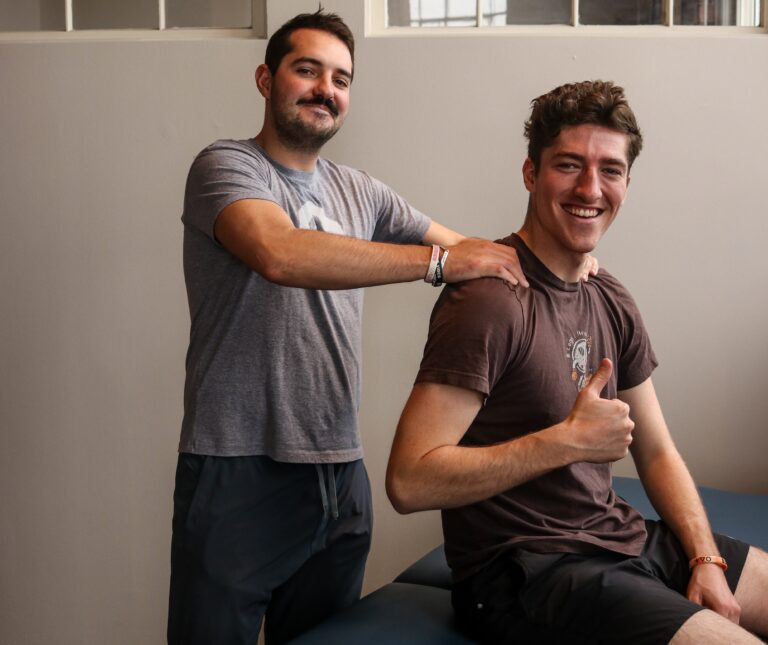
Coy Coker of Buffalo Performance Rehab shows up ready to get to work in the comfort of your own home. A Colorado native, he spent the last decade working hands-on with the professional athletes within the Colorado Rockies Baseball Club. His goal is to get you back out there as quickly and safely as possible.

Athletic performance counseling offers a personalized approach to improving strength, mobility, and injury prevention. From refining movement patterns to creating strategies for sustainable progress, these sessions help you perform at your best while minimizing setbacks. What goals are you aiming for, and how can expert guidance support your journey?
What Is Athletic Performance Counseling?
Athletic performance counseling focuses on enhancing your physical abilities while addressing challenges like injury recovery, limited mobility, or overtraining. It’s about developing strategies that help you achieve efficiency, balance, and strength in your movements.
This type of counseling integrates specialized assessments to understand how your body moves and identify potential areas of improvement. For example, movement screenings can pinpoint tightness or restrictions that may contribute to injuries. By addressing these issues, you can perform at a higher level and reduce risks.
Sessions often include goal-specific training programs aimed at improvement in quickness, coordination, or overall strength. These sessions can also target pain management, using techniques to increase flexibility and alleviate discomfort caused by chronic or acute conditions.
You might wonder how this differs from regular training. The answer lies in the focus on injury prevention and recovery, along with performance optimization. These services are particularly beneficial if you’re managing previous injuries or pushing for peak performance in your sport or active lifestyle. What personal goals would you work toward with this kind of support?
The Importance Of Mental Health In Sports
Mental health plays a pivotal role in athletic performance. While physical training builds strength and endurance, your emotional and mental well-being directly influence focus, decision-making, and resilience.
How Mental Health Impacts Performance
Your mental state can elevate or limit athletic performance. Anxiety, stress, and self-doubt often hinder physical capabilities despite high levels of fitness. Managing these challenges improves concentration, increases confidence, and enhances overall performance.
Athletes with strong mental health often recover faster from setbacks and maintain consistency under pressure. Do you notice how your mindset affects motivation during intense training or competition? Cultivating mental strength enables you to handle high-pressure environments while staying grounded.
Overcoming Mental Blocks
Mental blocks create barriers to success, leaving you stuck in recurring patterns of underperformance. Whether it’s fear of failure, perfectionism, or hesitation, these barriers can disrupt progress. Identifying the root causes of these blockages is the first step toward overcoming them.
Techniques like mindfulness exercises, visualization, and structured focus strategies can help you regain confidence. Have you tried reframing negative self-talk or focusing on incremental progress during challenges? Developing mental resilience builds trust in your abilities and prepares you to take on greater challenges with clarity.
Services Offered In Athletic Performance Counseling Denver
Athletic performance counseling in Denver focuses on empowering you to improve physically and mentally, helping you overcome barriers to performance. Services are designed to build resilience, enhance focus, and maintain physical wellness for both casual and competitive athletes.
Sports Psychology Techniques
Sports psychology techniques help improve your mental strength and agility. These methods address performance anxiety, lack of focus, or confidence issues that can impact your game. Practicing visualization helps you mentally rehearse successful plays or moves before executing them. Reframing negative self-talk into constructive thoughts builds confidence and self-assurance. How do you prepare your mind before facing challenges in sports? Sports counseling helps you discover methods that align with your goals.
Goal Setting And Motivation Strategies
Clear goals and strong motivation keep you on track through tough training or recovery phases. Expert counseling assists in creating actionable short-term targets that build momentum toward your long-term aspirations. For example, you might focus on improving sprint speed over four weeks or regaining strength post-injury in eight weeks. By aligning goals with your values, staying motivated becomes more sustainable. What drives you to push your limits? Identifying this can fuel your progress.
Stress Management And Relaxation Techniques
Stress management techniques provide tools to handle pressure during competitions or rigorous training. Controlled breathing exercises improve recovery and calmness in high-stress situations. Mindfulness practices bring your focus to the present, reducing distractions and anxiety. Incorporating relaxation techniques into your routine helps you feel refreshed and mentally prepared. How often do you take time to reset and recharge your mind during intense preparation? Adding stress management into your strategy could elevate your performance.
Benefits Of Athletic Performance Counseling
Athletic performance counseling offers valuable support for athletes striving to improve their physical and mental capabilities. By combining strategic guidance with proven techniques, it provides tools to overcome challenges and achieve higher performance levels.
Enhancing Focus And Concentration
Maintaining focus during training and competition directly impacts your performance. Performance counseling teaches concentration techniques like mindfulness, breathing methods, and mental imagery to sharpen your attention. These strategies help you stay centered under pressure, enhancing decision-making and execution. What distractions hold you back from performing at your best?
Building Confidence And Resilience
Believing in your abilities influences how well you perform. Counseling fosters self-confidence by addressing fears, doubts, or past experiences that may limit you. Confidence-building exercises, paired with positive affirmations and goal-setting, strengthen your mental resilience. How differently might you approach challenges with a stronger sense of self-assurance?
Improving Team Dynamics
Whether you’re part of a team or working with training partners, effective communication is key to success. Counseling identifies areas for improvement in cooperation, conflict resolution, and collaboration. Improved dynamics encourage trust and harmony, leading to better collective outcomes. How could stronger team connections boost your shared performance?
How To Choose The Right Counselor In Denver
Selecting the right athletic performance counselor in Denver requires careful evaluation to match your goals and needs. Focus on their expertise, approach, and ability to address both physical and mental performance aspects.
Qualifications To Look For
Verify credentials that demonstrate specialized knowledge. Look for certifications such as Licensed Athletic Trainer (LAT) or Certified Athletic Trainer (ATC). These signify formal training and expertise in performance improvement and injury prevention.
Check experience in working with athletes. Counselors with prior experience in sports-specific training and recovery methods are better equipped to understand athletic demands. Seek professionals familiar with techniques like movement screenings, strength conditioning, and mental resilience strategies.
Review previous client feedback. Testimonials from athletes who achieved similar goals can provide insight into a counselor’s effectiveness. Look for reviews highlighting measurable results, such as strength gains, quicker recovery, or improved concentration during performance.
Questions To Ask During Consultation
What is your approach to integrating physical and mental training? This question helps evaluate if the counselor balances both areas to optimize outcomes. Specialists offering holistic strategies are more likely to address a broad range of challenges affecting your performance.
How can your methods support my goals? Share specific objectives, whether improving strength, reducing injury risk, or enhancing focus. The counselor’s response will clarify the suitability of their strategies for your needs.
How do you track progress? Ask about assessment tools and benchmarks they use. Progress evaluations like performance metrics or recovery timelines can provide reassurance that the program aligns with your development.
What types of athletes have you worked with? Understanding their client base helps gauge experience with your sport, activity level, or challenges.
Choosing someone who aligns with your aspirations while identifying gaps in your performance can set the foundation for meaningful improvement.
Conclusion
Athletic performance counseling in Denver offers a transformative approach to unlocking your full potential as an athlete. By addressing both physical and mental aspects, it equips you with the tools to overcome challenges, prevent injuries, and achieve your goals with confidence.
Whether you’re recovering from an injury, managing stress, or striving for peak performance, this specialized guidance ensures you’re supported every step of the way. With expert strategies tailored to your unique needs, you can build strength, resilience, and focus to excel in your sport or active lifestyle.
Investing in athletic performance counseling is a powerful step toward enhancing your abilities and reaching new heights in your journey.
Frequently Asked Questions
What is athletic performance counseling?
Athletic performance counseling is a specialized service that helps individuals enhance their physical and mental performance. It includes tailored training programs, injury prevention strategies, recovery techniques, and mental health support to improve focus, resilience, and overall athletic abilities.
How does athletic performance counseling differ from regular training?
Unlike regular training, athletic performance counseling focuses on injury prevention, recovery, and mental resilience in addition to physical performance. It offers personalized assessments and integrates mental strategies like stress management and focus-building into training programs.
Who can benefit from athletic performance counseling?
Athletes of all levels, individuals recovering from injuries, and those aiming to improve their physical and mental well-being can benefit. It’s especially helpful for those managing physical limitations, overtraining, or performance anxiety.
What role does mental health play in athletic performance?
Mental health is crucial for athletic success, as focus, decision-making, and resilience heavily depend on emotional well-being. Techniques like mindfulness, visualization, and reframing negative thoughts help overcome mental blocks and improve confidence.
What services are offered in athletic performance counseling in Denver?
Services include personalized training programs, injury recovery, sports psychology techniques, stress management, goal setting, confidence-building methods, and team dynamic improvement for better communication and collaboration.
How does counseling help prevent injuries?
Counseling includes movement screenings to identify imbalances, goal-specific exercises, and recovery strategies to reduce the risk of injury. By optimizing movement patterns, it ensures safer and more efficient performance.
How can athletic performance counseling improve focus and concentration?
Techniques such as mindfulness, mental imagery, and relaxation exercises are used to help athletes maintain attention under pressure. These strategies enhance mental clarity, focus, and overall performance consistency.
What qualifications should I look for in an athletic performance counselor?
Look for certifications like Licensed Athletic Trainer (LAT) or Certified Athletic Trainer (ATC), experience in sports-specific training, and expertise in integrating physical and mental performance strategies.
What questions should I ask when choosing a counselor?
Ask about their approach to balancing physical and mental training, how they track progress, their experience with different types of athletes, and methods they use to address injury prevention and mental resilience.
Can athletic performance counseling improve team dynamics?
Yes, team-focused counseling emphasizes communication, cooperation, and conflict resolution skills. These strategies lead to stronger team dynamics, better collaboration, and improved collective performance outcomes.